CHAPTER 02 / 06
Warm Water Washing and Hydration of Green Beans
On this page
This chapter describes the pre-roasting process of washing and hydrating green coffee beans in warm water.
Process Status
This preparation step is optional rather than strictly mandatory for microwave roasting. Its implementation is left to the discretion of the operator.
However, all roasting profiles and empirical data provided in this manual are strictly based on beans that have undergone this washing and hydration protocol.
Pros and Cons of Washing Green Beans
Advantages
- Enhanced Hygiene: Reliably removes surface dirt, dust, and residues accumulated throughout the harvesting, export, and distribution chain.
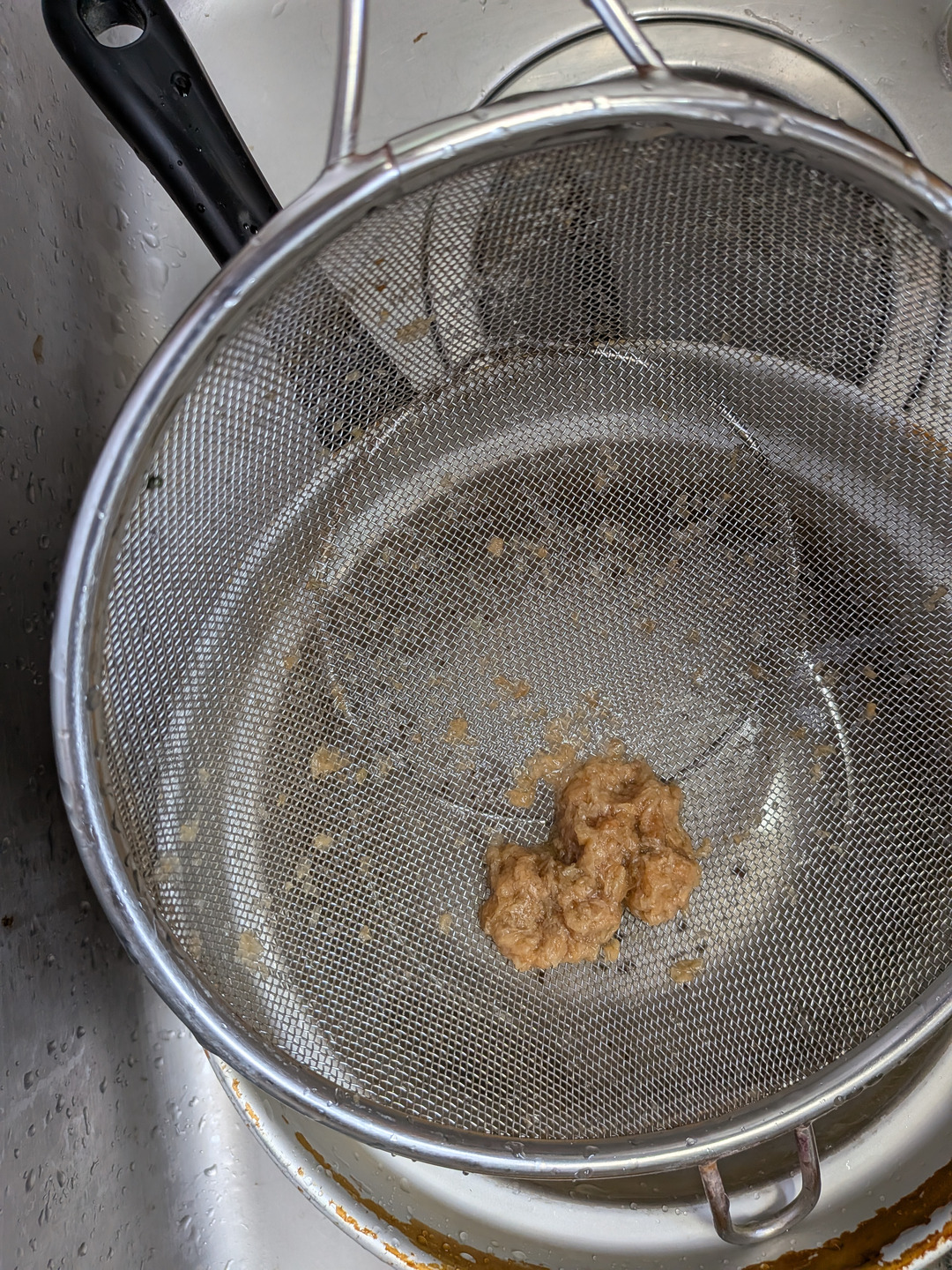
- Chaff Reduction: Washing strips away the vast majority of silverskin (chaff) in advance. This drastically reduces smoke, airborne chaff, and scorching during roasting, significantly simplifying post-roast cleanup.
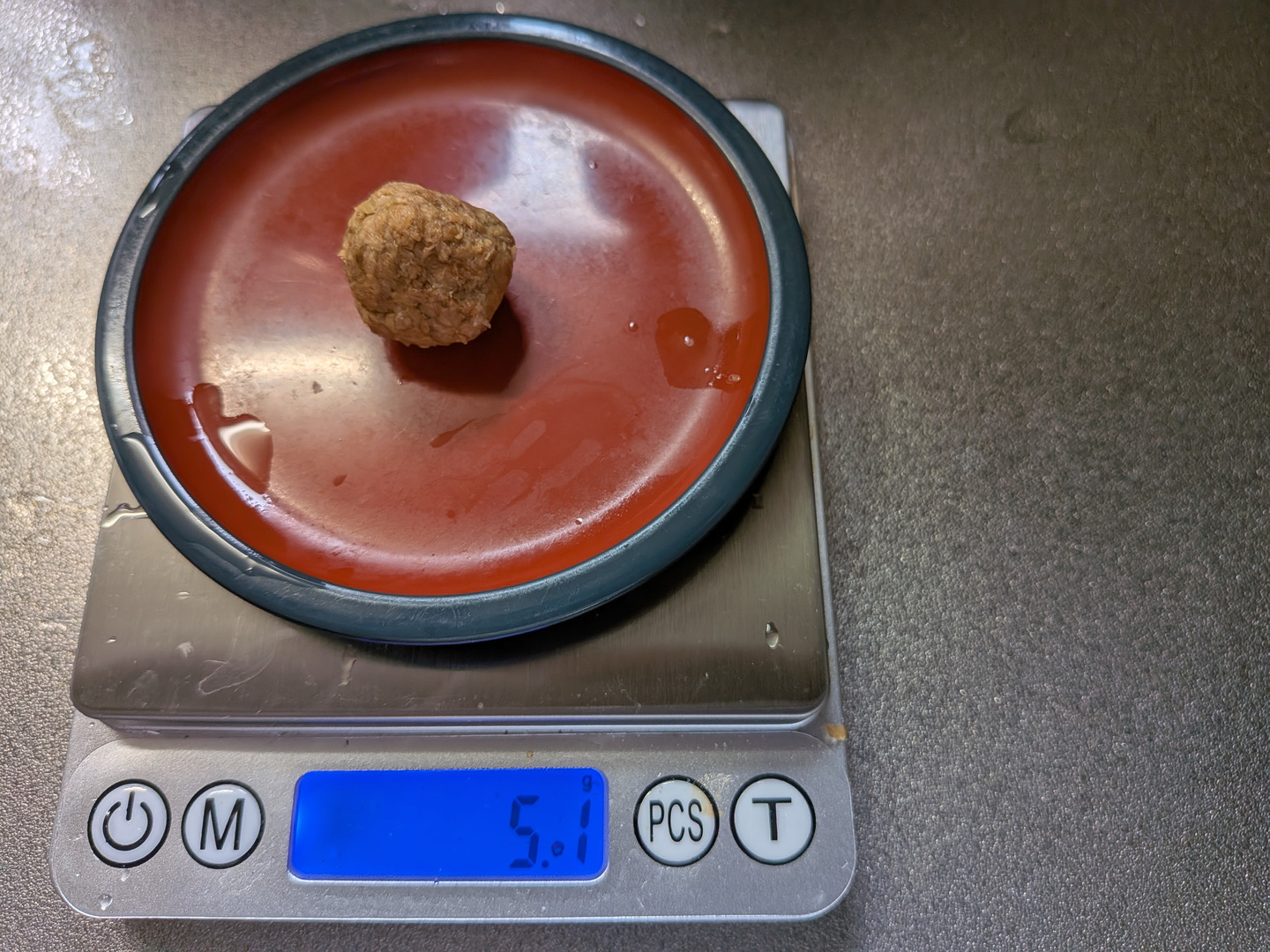
- Improved Defect Sorting: Submerging beans in water makes defective beans (such as low-density floaters, insect-damaged beans, or underripe beans) float to the surface for quick visual culling.
Disadvantages
- Leaching of Soluble Compounds: Exposure to water can leach out a portion of the bean’s natural sugars and water-soluble compounds.
- Impact on Cup Profile: Compared to roasting unwashed beans, this pre-treatment induces noticeable shifts in body, mouthfeel, and overall flavor characteristics.
This manual does not make a dogmatic judgment regarding whether washing is inherently superior. Operators should determine its adoption according to their specific quality standards and sensory objectives.
Step-by-Step Washing and Hydration Protocol
Step 1: Initial Quick Rinse (Surface Cleaning)
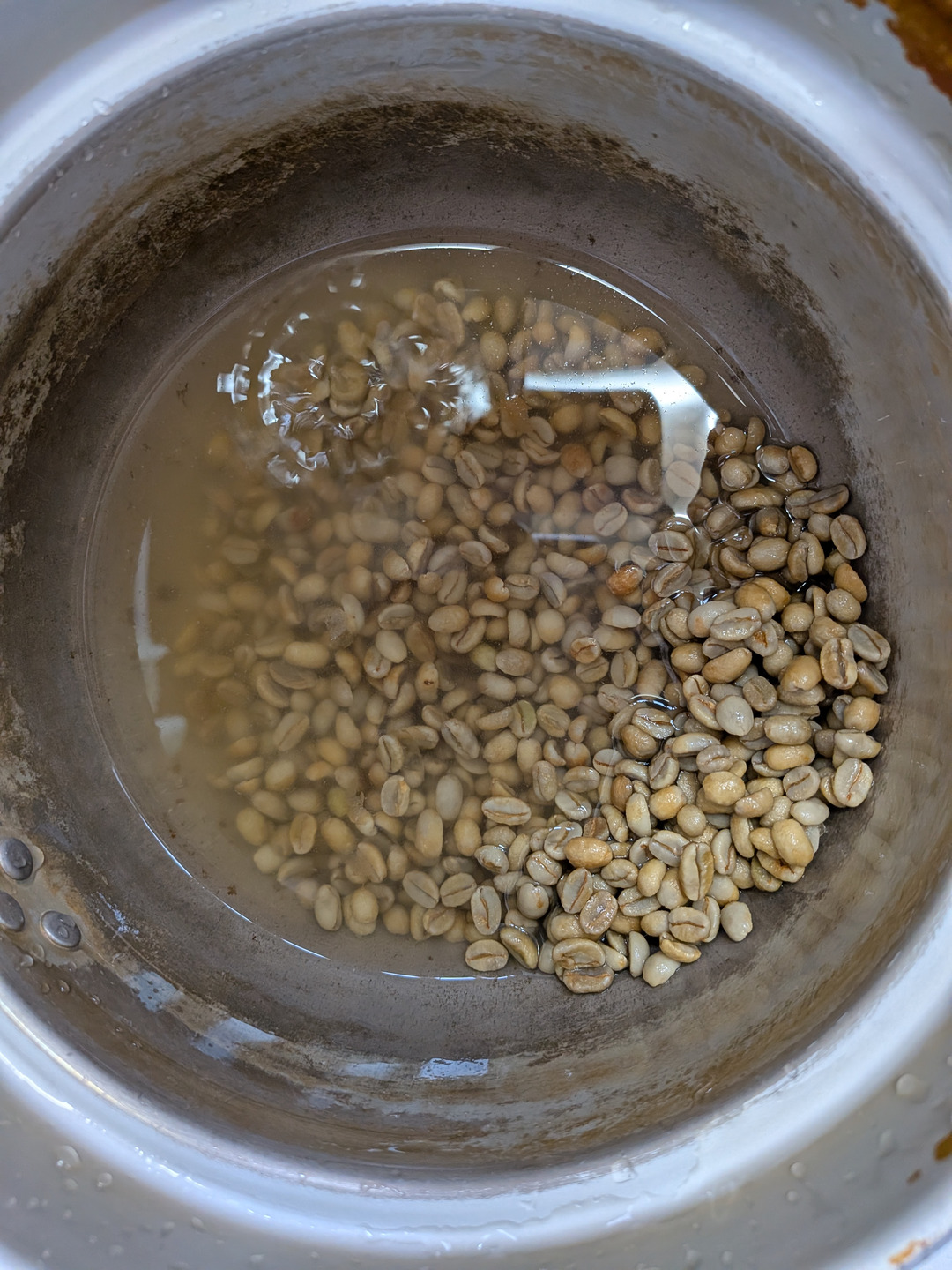
Using purified water, stir the beans gently for 10 to 20 seconds to rinse off surface dust and loose debris.
Step 2: 50°C Warm Water Wash (Chaff Removal & Defect Culling)
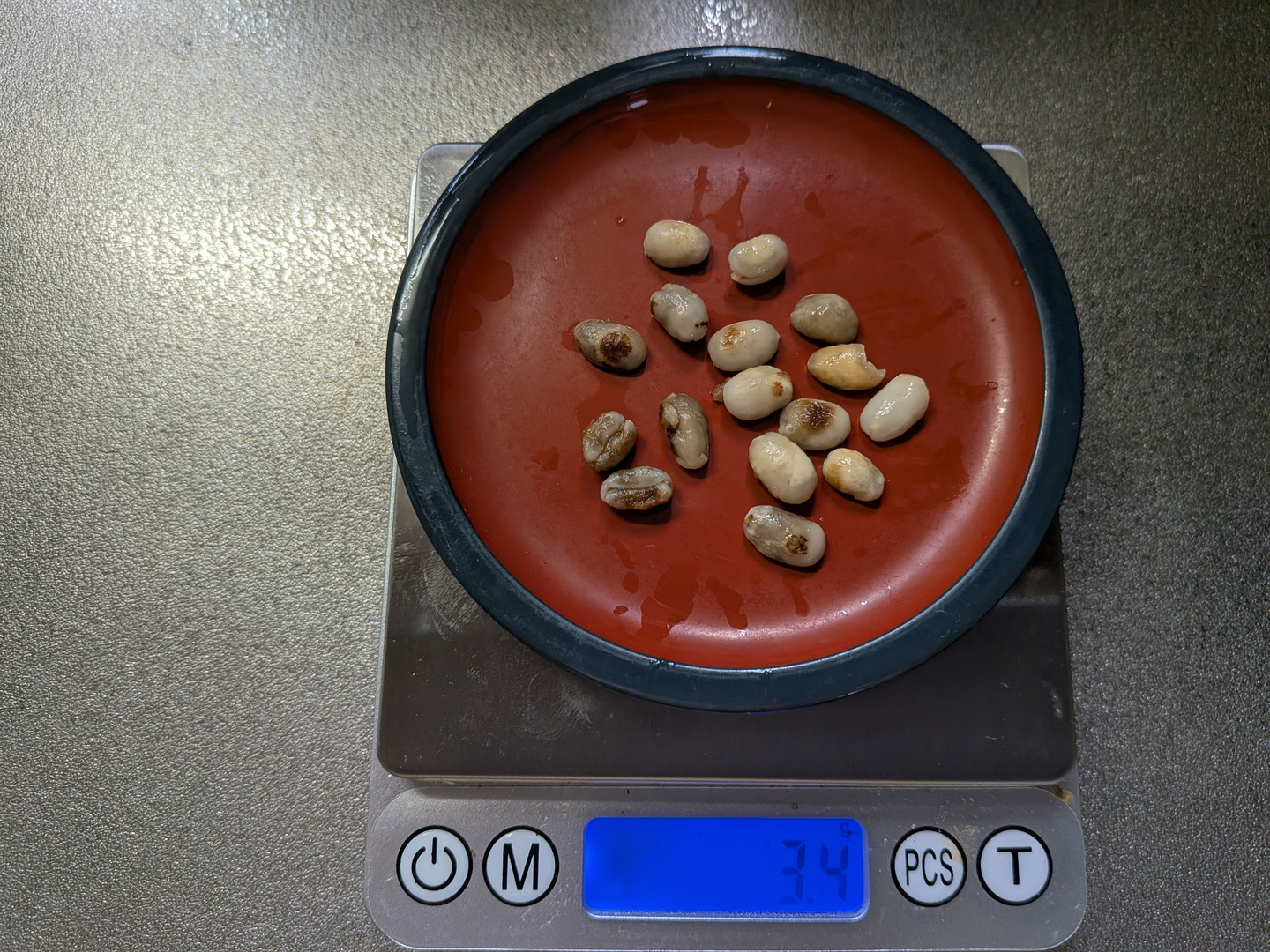
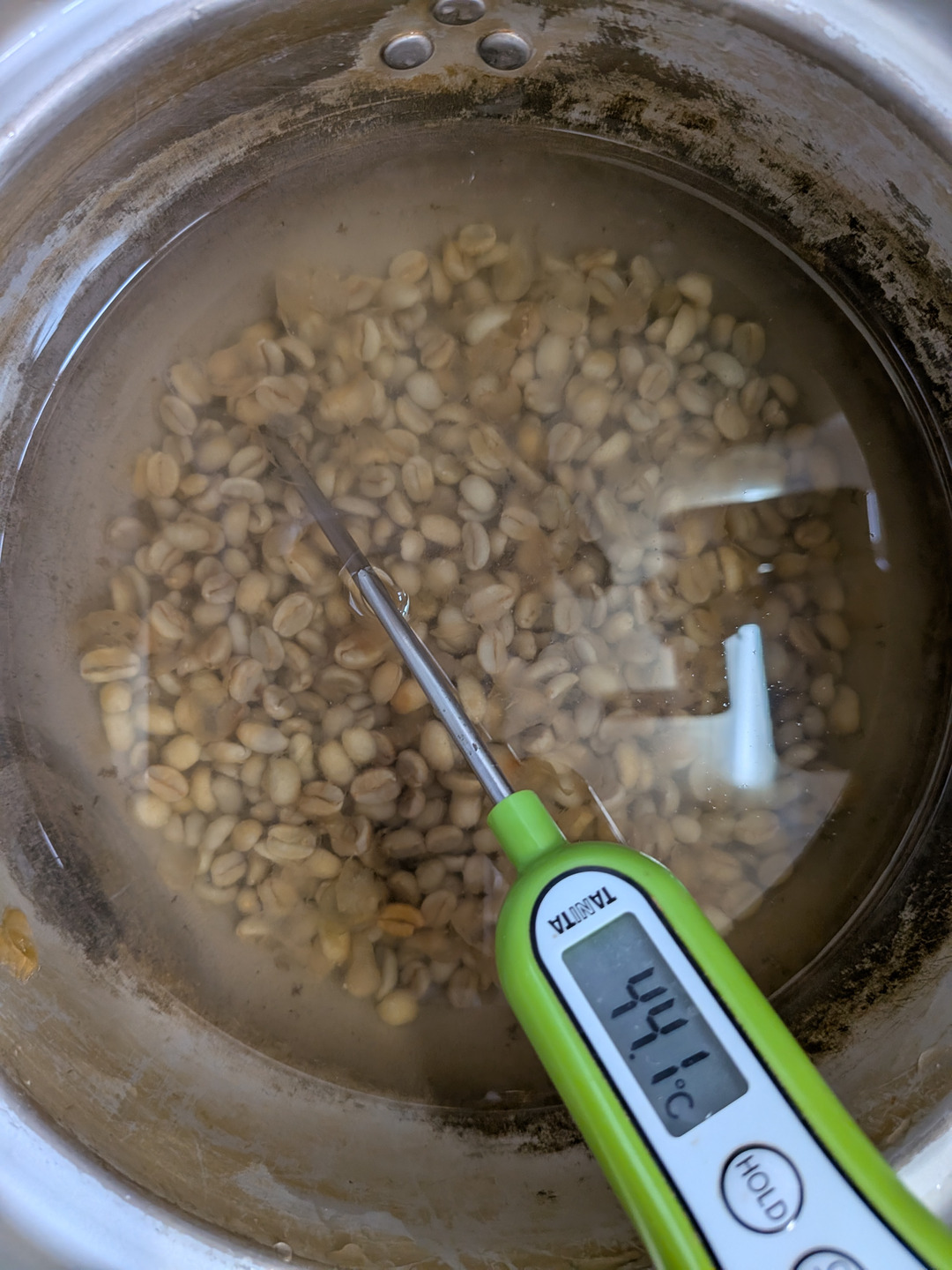
Immerse the beans in 50°C warm water. Rub the beans gently against one another—similar to washing rice—to detach the chaff. Immediately skim off and discard any defective beans (underdeveloped or hollow beans) that float to the surface.
Repeating this wash twice with fresh 50°C water will remove the majority of the chaff.
Step 3: 30-Minute Soak in 50°C Honey and Fructose Solution
Place the drained green beans into a heat-resistant glass container, then add 15g of honey and 20g of crystalline fructose.
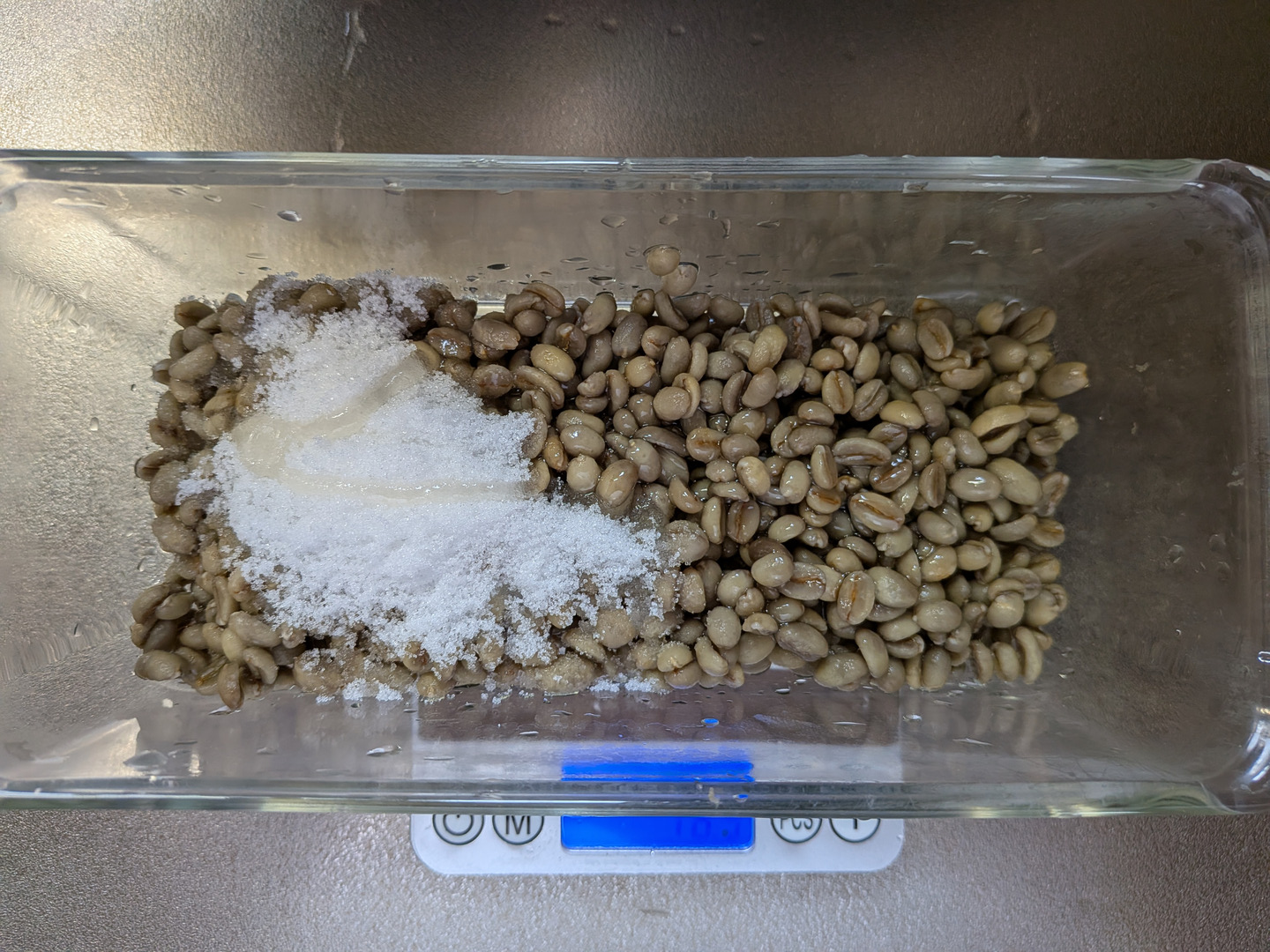
Pour in 50°C warm water until the water level reaches approximately twice the height of the bean bed.
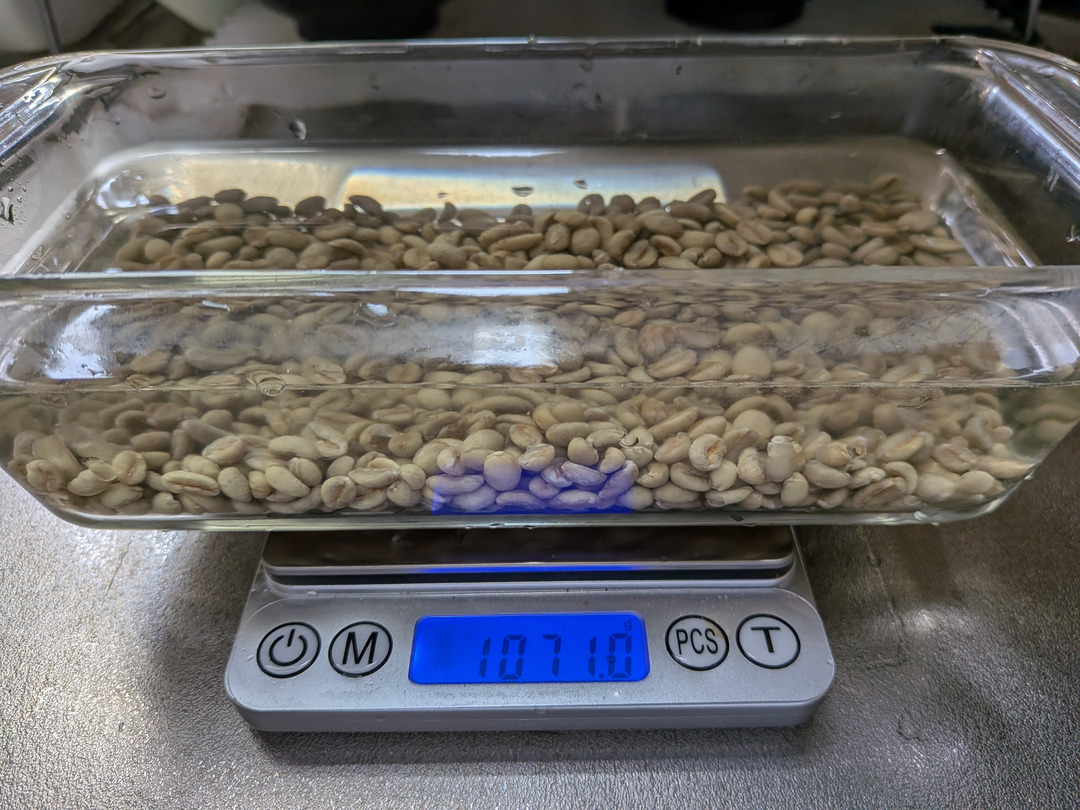
Skim off any additional floating defective beans that emerge, then allow the beans to soak undisturbed for 30 minutes.
The total weight of floaters removed depends on bean quality; for specialty-grade lots, it should be under 5g (hydrated weight), and typically under 10g for standard commercial lots.
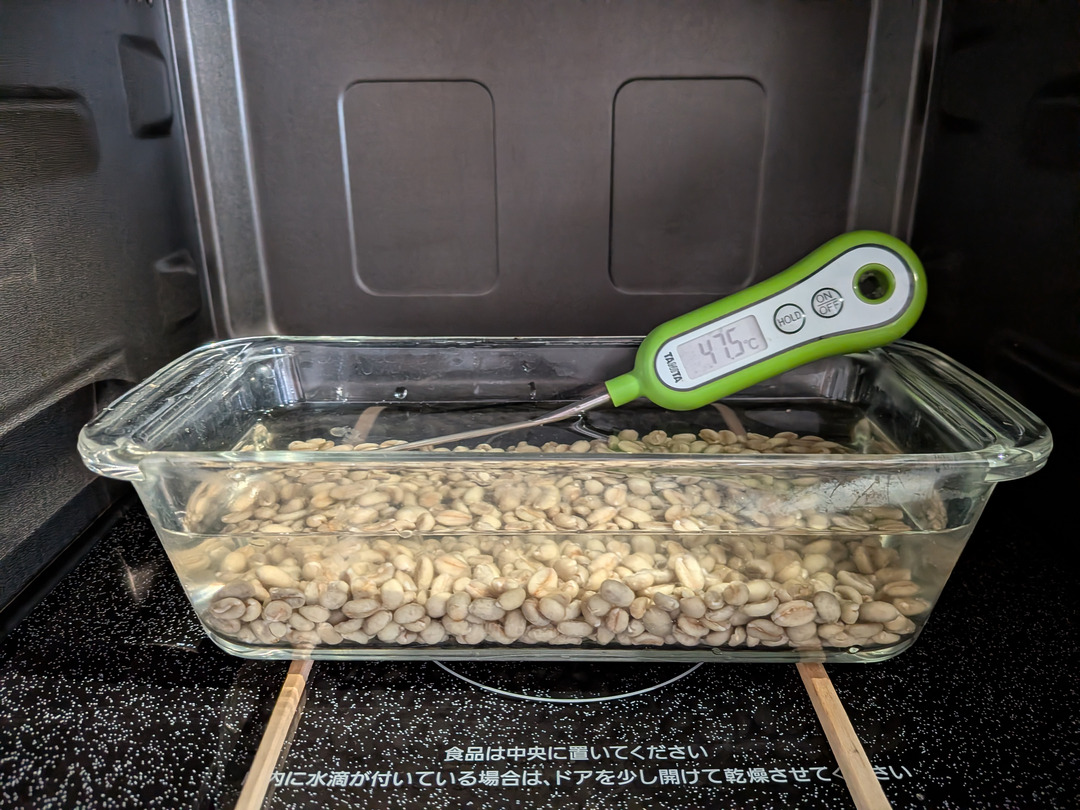
Step 4: Final Rinse and Loading
After 30 minutes, discard the soaking solution and rinse the beans briefly under running water to wash off residual sugars from the surface.
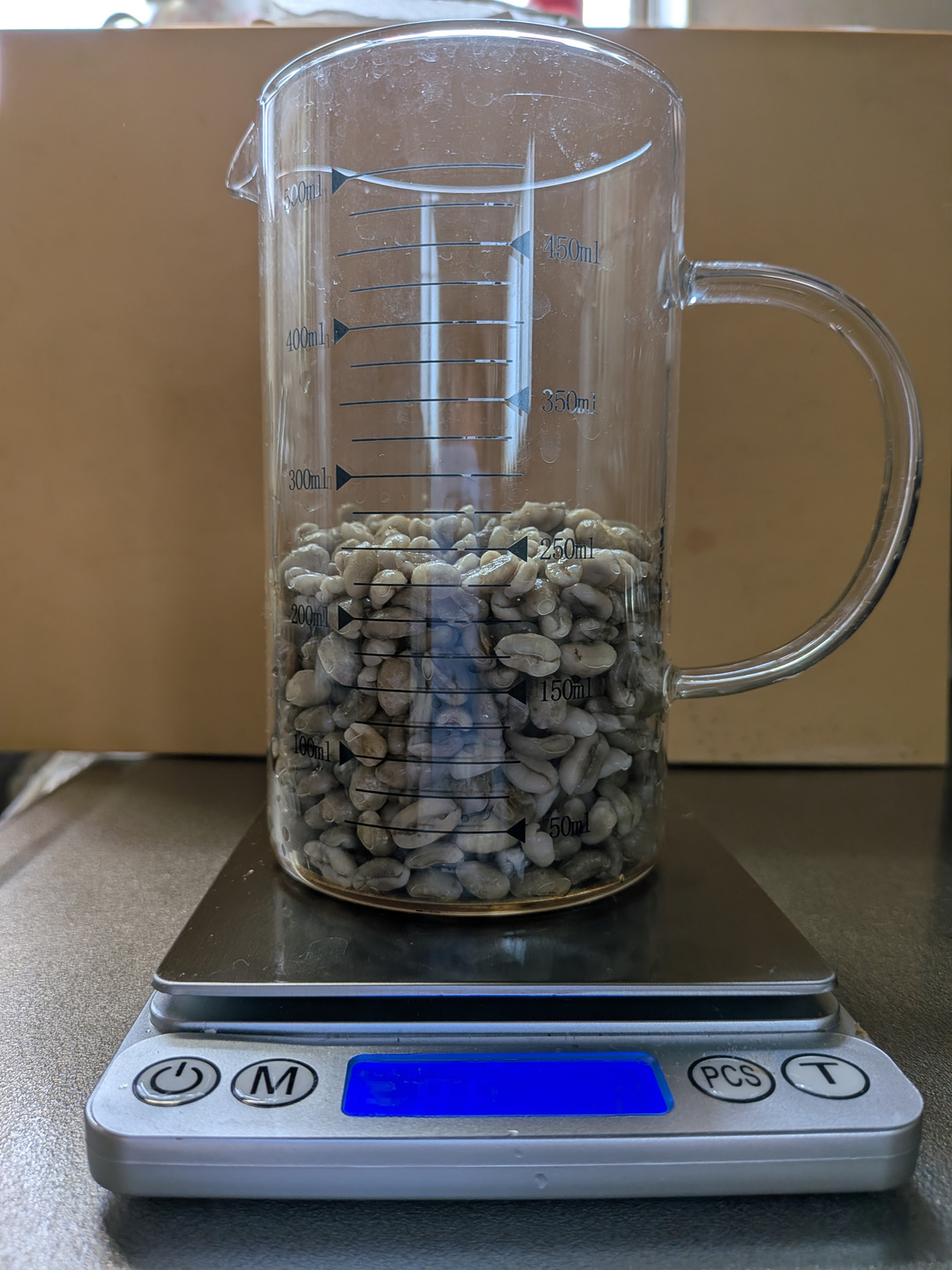
Drain thoroughly, then transfer the beans into the borosilicate glass cylinder prepared for roasting.
Weight Changes After Hydration
When starting with 144g of dry green beans, the weight after a 30-minute soak typically increases to between 180g and 200g.
The degree of water absorption depends on bean density, growing elevation, and processing method. As a rule, dense natural-process beans grown at high elevations (e.g., above 1,900 meters) absorb less water, whereas washed-process beans from lower to medium elevations absorb more.
If the post-soak weight substantially exceeds 200g, total roasting time will lengthen considerably and thermal efficiency will decline. Adjust the soaking duration if necessary.
Technical Appendices
Appendix 1: Operational Benefits of Chaff Removal
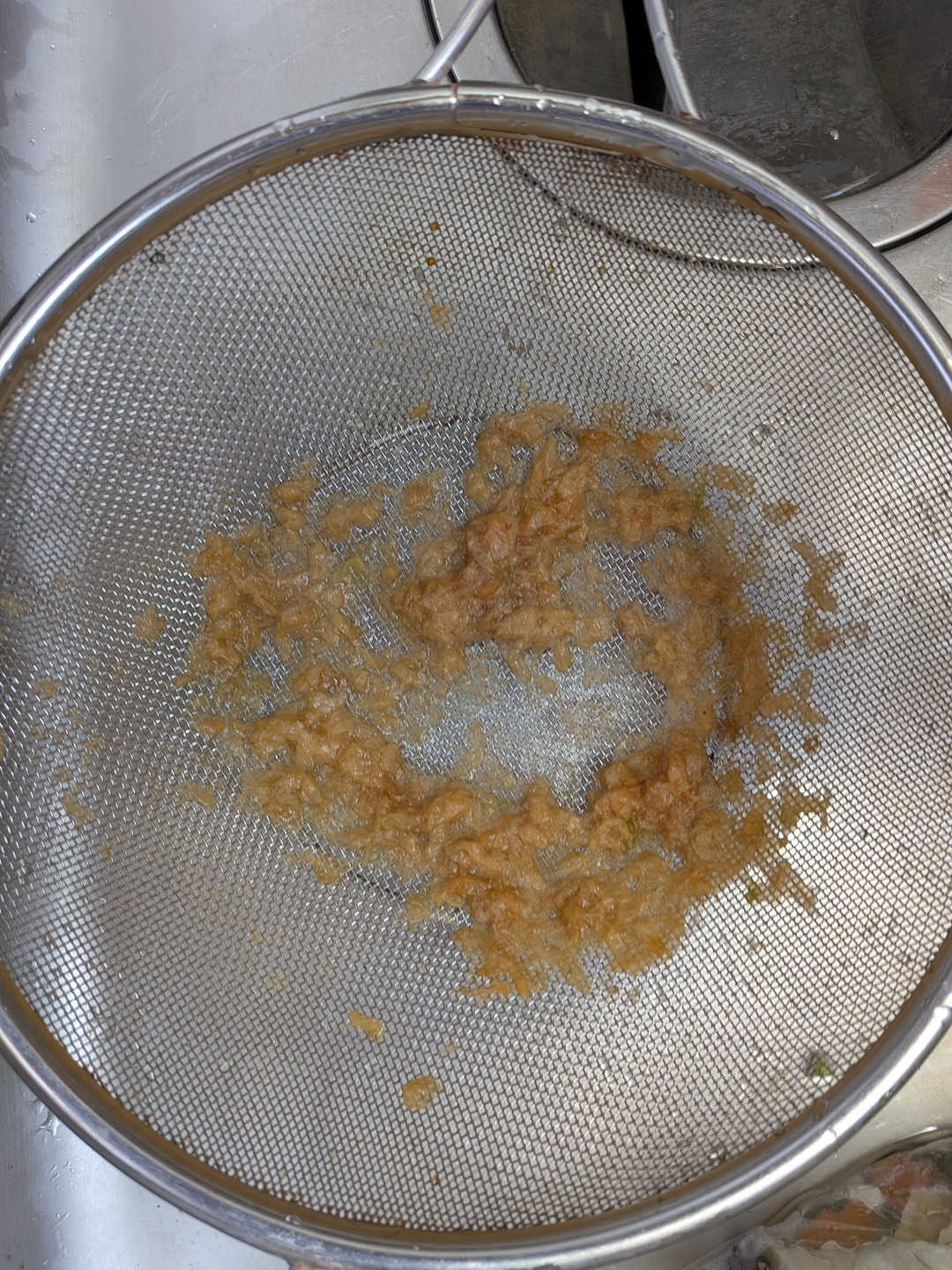
Because the washing and soaking steps remove the majority of the external silverskin, chaff scatter upon roast completion is virtually eliminated. This significantly lowers the burden of cleaning the microwave cavity and workspace, while also mitigating the risk of chaff combustion under high temperatures.
Appendix 2: Background on Adding Honey and Fructose
The rationale for incorporating a fructose solution into the soaking phase was inspired by the following academic paper:
- Enhancing Robusta Coffee aroma by modifying flavour precursors in the green coffee bean
Technical Note
The aforementioned study focused on Canephora (Robusta) beans, re-drying them to a standard moisture content of approximately 11% after soaking before roasting.
In contrast, this manual details a proprietary operational method developed for Arabica beans, progressing directly to roasting without a secondary drying phase.
Adding fructose serves to replenish the simple sugars leached during the 30-minute warm soak. The addition of honey is an empirical formulation designed to supply amino acids and trace precursors. These compounds participate in Maillard reactions and Strecker degradation during thermal processing, meaning they do not leave direct residual sweetness in the brewed cup.
The ratio of "15g honey and 20g fructose per 144g dry green beans" represents a proven operational baseline; feel free to calibrate based on your target roast profile.
Appendix 3: Experimental Findings on Sodium Chloride (Salt) Addition
Controlled tests adding sodium chloride (NaCl) to the soaking solution yielded the following conclusions:
- Green bean water uptake decreased significantly and reproducibly.
- Although an increase in heating rate via dielectric loss (conductive loss from electrolytes) was hypothesized, no meaningful reduction in roasting time or profile improvement was observed in practice.
- No noticeable salty taste remained in the brewed cup, but neither did it provide any tangible process benefit.
Consequently, the addition of sodium chloride has been excluded from this standard procedure.